Blog
Dental hygiene tips for healthy teeth & gums
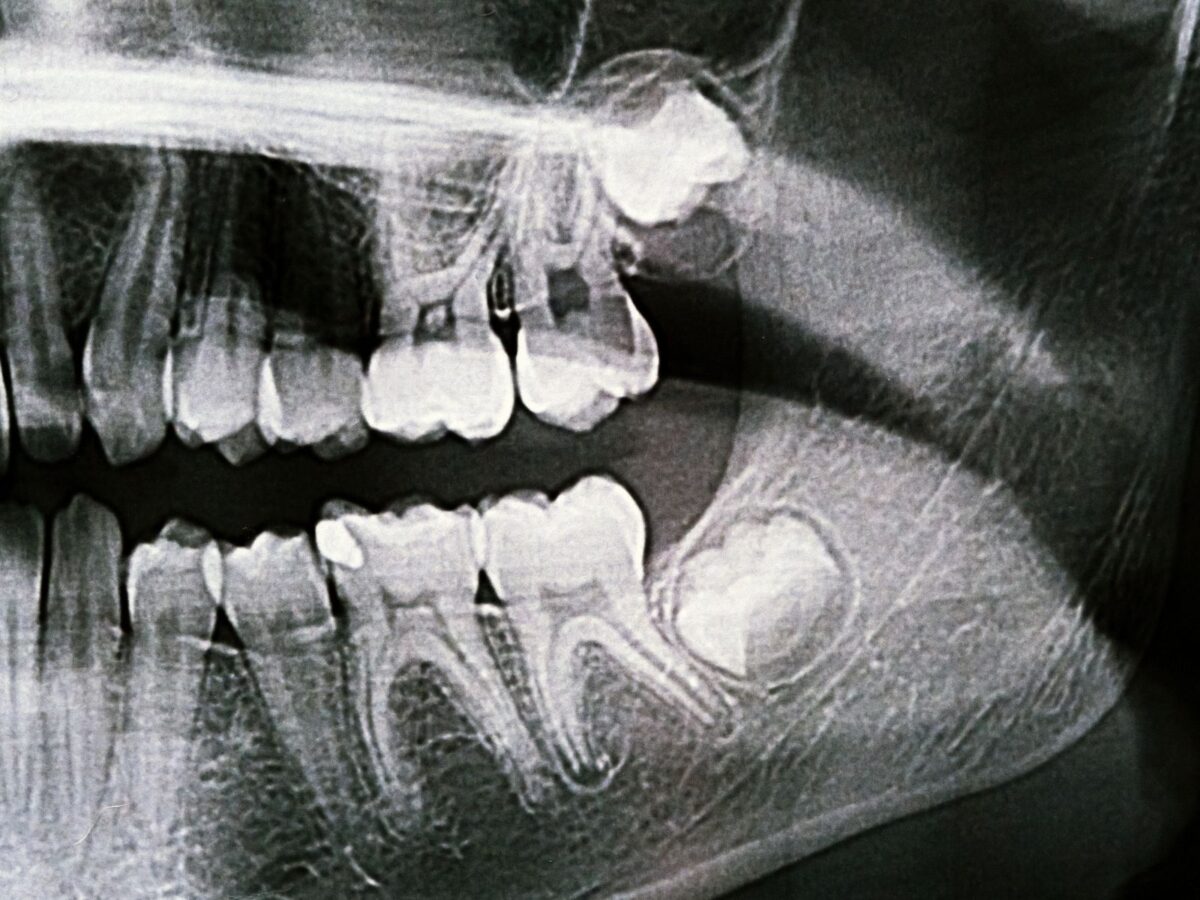
Impacted Wisdom Tooth: How to Spot It and What Treatment Involves
Most people don’t notice their wisdom teeth coming in right away. It’s not really obvious. There’s no clear moment where it starts. It’s usually more gradual and comes with very subtle signs. A bit of pressure at the back. Maybe something feels slightly different, but nothing very clear. So it just gets ignored.
Because not all wisdom teeth come in the same way. Some grow normally and settle into place without much trouble. But some don’t. That’s when the question starts to come up. What is an impacted wisdom tooth, really? You might end up searching your symptoms online, seeing if anything fits.
So, What Is An Impacted Wisdom Tooth Actually
Sometimes a wisdom tooth just doesn’t come in the way it should. It is labelled as “impacted”. Sometimes it stays under the gum. Sometimes part of it comes through, just not enough to function properly. In other cases, it grows sideways or presses into the tooth next to it instead of coming up straight.
So when people try to define “what is an impacted wisdom tooth”, it’s not one fixed situation. It’s more like a group of possibilities where the tooth doesn’t have enough space or the right direction to come in normally.
The American Association of Oral and Maxillofacial Surgeons has noted that impacted wisdom teeth can cause issues like infection or even damage nearby teeth if they’re not managed in time. But that doesn’t mean every impacted tooth becomes a problem immediately.
Why It Even Happens In The First Place
This part isn’t always obvious. It mostly comes down to space, or the lack of it. Wisdom teeth usually come in last. Often in the early twenties. By then, the rest of the teeth are already in place. Sometimes there isn’t really enough space.
So the tooth tries to come in anyway. And that’s where things go slightly off. It might push against another tooth. It might stay trapped under the gum. Or it might come in halfway and stop there.
The National Institute of Dental and Craniofacial Research has explained that wisdom teeth often don’t have enough room to come in properly, which is why impaction tends to be common. It’s not really something you control. It just happens.
What Impacted Wisdom Tooth Symptoms Feel Like Over Time
The tricky part is that it doesn’t always happen in a clear way. It can start as pressure in the back. Not really pain, just something that feels different. Then maybe later, it turns into a dull ache when you chew or open your mouth wide. It doesn’t stay consistent either. It settles, then comes back.
Swelling can show up as well, mostly around the back of the gums. The area might feel tender, or just a bit off. It’s not always easy to explain. If part of the tooth is exposed, food can get stuck there. That usually makes it worse.
That’s usually what leads people to search for impacted wisdom tooth symptoms. Small changes that don’t always feel consistent.
Why Impacted Wisdom Tooth Pain Feels A Bit Unusual
Pain from an impacted tooth doesn’t really stay in one place. It can show up in your jaw, sometimes near your ear, even as a mild headache. It doesn’t always feel like it’s coming from a tooth, which is where it gets confusing. Then it eases off for a while. After that, it’s easy to forget about it.
That’s usually how impacted wisdom tooth pain gets overlooked early. It doesn’t really feel like what people expect from tooth pain.
Can You Have Impacted Wisdom Teeth Without Knowing
Yes, and this is where it gets a little unexpected. Some impacted teeth don’t cause any symptoms at all. No pain, no swelling, nothing noticeable. They just sit there under the surface. A lot of people only find out during routine X-rays. Not because anything felt wrong.
This absolutely doesn’t mean it will stay the same. Just that nothing has shown up yet. Dentists usually keep an eye on them. They can still affect nearby teeth over time.
What Can Happen If You Just Completely Ignore It
Not every impacted tooth turns into something serious. But leaving it alone isn’t always nothing either. Sometimes it just sits there without causing much. Other times, things start to show up slowly.
Infections are one of the more common ones. It often comes down to bacteria getting trapped around a tooth that hasn’t fully come through. That’s where swelling and discomfort can show up.
Sometimes, even opening your mouth doesn’t feel as easy.
There’s also pressure. If it’s leaning into the tooth next to it, that can start to affect things over time. The American Dental Association points out that impacted wisdom teeth can lead to gum infections and other problems when they’re not treated.
It might not feel like much in the beginning. Still, it’s not something that’s usually left completely alone.
What Treatment Usually Looks Like (And Why It’s Recommended)
What gets done depends on how the tooth is behaving. If nothing is going on, it might just be left and checked over time. But then things can change. Pain, infection, or pressure on nearby teeth. That’s usually when removal starts getting discussed. The procedure itself can sound like a lot. It usually isn’t as bad as it sounds, though.
They numb the area, and then the tooth is taken out carefully. Sometimes it’s done in sections if the position makes it harder. After that, it’s mostly about healing and letting the area settle. It’s a common procedure. More common than people expect.
What Recovery Feels Like (In Real Terms)
Recovery can vary a bit. For some, it’s just a bit of soreness for a few days. Then it settles. For others, swelling sticks around a little longer. Eating can feel different at first, so you end up being a bit careful with what you eat. It does get better, just not always at the same pace.
The first couple of days tend to stand out more. After that, it usually starts to ease. Aftercare does make a difference. Keeping the area clean, or just being a bit careful for a while, can help it settle better.
How Common This Actually Is
Impacted wisdom teeth aren’t rare. In fact, they’re quite common. Millions of wisdom tooth removals are performed each year, especially in young adults. Most of these procedures are done because the teeth are impacted or expected to become problematic.
In the middle of it, it can feel very specific to you. Like it’s not something others deal with. But, in reality, many people go through it.
FAQs
1. What exactly is an “Impacted” wisdom tooth?
It’s when the tooth doesn’t come in normally. It might stay under the gum. Or grow at an angle instead of straight up.
2. What do impacted wisdom tooth symptoms usually feel like?
It can be pressure, sometimes pain, maybe swelling. Chewing can feel a bit off, too.
3. Does it always lead to impacted wisdom tooth pain?
Not always. Some teeth stay impacted without causing much discomfort at all.
4. And how is it usually handled?
Sometimes it’s just monitored. Other times, removal is suggested, depending on what’s going on.
Conclusion
Understanding “what is an impacted wisdom tooth” isn’t really about the definition. It’s more about noticing something feels off. And that part isn’t always clear at first. It’s easy to miss. Or just ignore it when it doesn’t feel serious.
If something around your wisdom teeth feels different, don’t just leave it. Get it checked. A quick look or X-ray is usually enough to see what’s going on. It’s just easier to deal with it early instead of waiting for it to get worse.