Blog
Dental hygiene tips for healthy teeth & gums
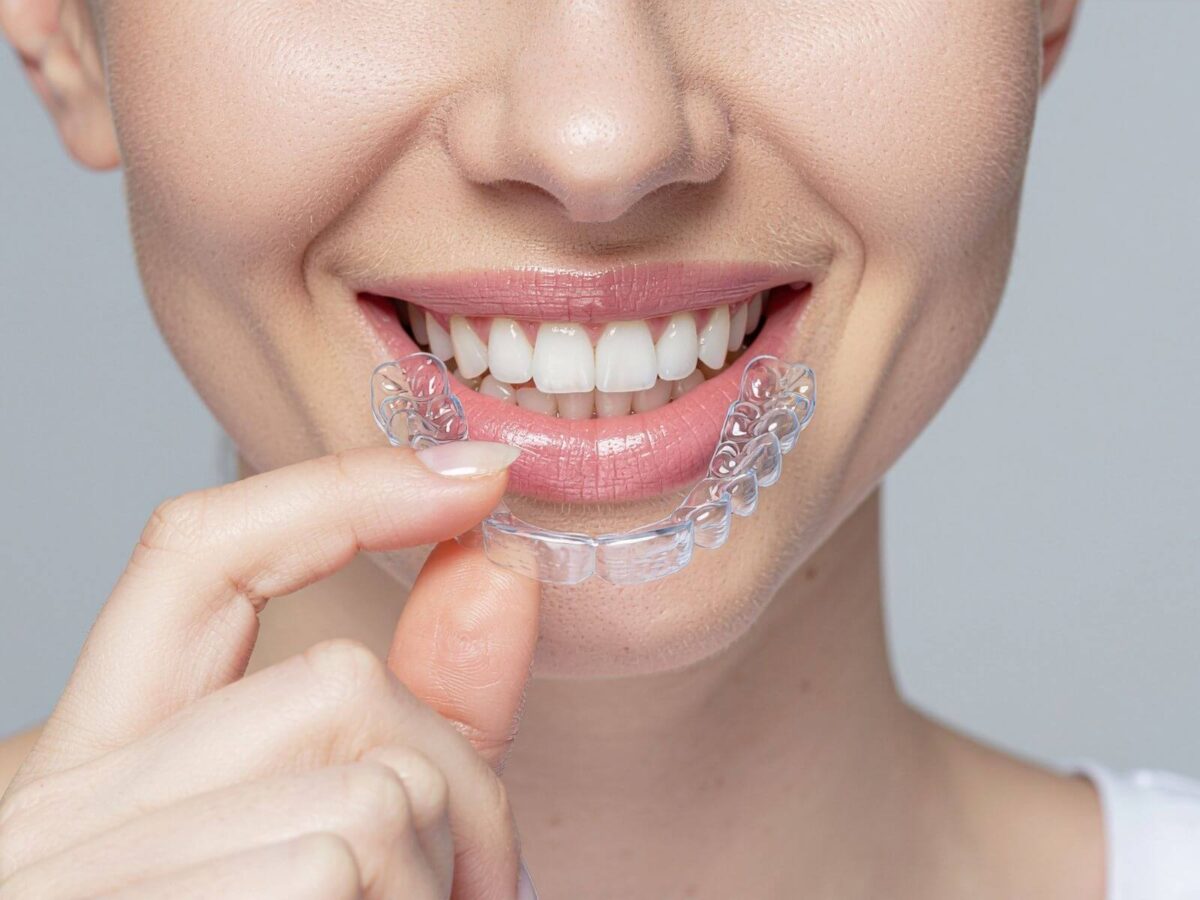
How Does Invisalign Work? Step-by-Step Treatment Process
Most people have at least a general idea of Invisalign before their first consultation. Clear aligners gradually move teeth over time, and the absence of metal braces is usually what attracts attention first.
The confusing part usually starts later, once scans, attachments, refinements, tray changes, and wear schedules all enter the discussion together. Patients searching “how does Invisalign work” often expect a pretty straightforward answer and then suddenly hear terms like ClinCheck simulations, aligner staging, interproximal reduction, and passive trays. It sounds more technical than people expect.
The full Invisalign process also takes longer than many first-time patients imagine. Some mild cosmetic cases finish within months. Bigger bite correction cases may continue for two years or more, depending on tooth movement and compliance.
According to Align Technology, more than 17 million people worldwide have started Invisalign treatment.
How Does Invisalign Treatment Actually Start
The first appointment usually focuses on imaging and examination rather than treatment itself. Most offices now use digital scanners instead of traditional putty impressions. The scanner creates a 3D model of the teeth that the orthodontist uses to plan movement step by step. That digital planning stage matters a lot in the overall Invisalign treatment process.
Tiny movements get programmed into individual trays before treatment even starts. The software predicts how teeth should move over time and generates dozens of aligners based on that sequence.
Patients asking “how does Invisalign work” are usually surprised by how computerized the process feels now.
What Does Invisalign Planning Actually Involve
Once the scans are finished, the orthodontist checks spacing and crowding first. Bite alignment and jaw position are reviewed before the final treatment plan is approved. This part sometimes takes a few days. Sometimes longer.
The simulation shows how the teeth are expected to move over time. Patients often see side-by-side comparisons during consultations showing where the teeth begin and where they are expected to finish. The Invisalign process feels very visual at this stage.
That preview becomes one of the biggest reasons adults choose aligners, honestly. They like seeing estimated results before treatment begins.
What Are Custom Invisalign Aligners
Once the treatment plan is approved, Invisalign trays are manufactured specifically for that patient. Every tray looks similar initially. The differences between trays are actually very small. Each aligner applies controlled pressure to move certain teeth gradually before the next tray continues the sequence. That pressure feels strange for the first few days with each new tray. Not exactly painful, usually. Just tight.
The answer to “how does Invisalign work” mostly comes down to those repeated small movements happening consistently over time, rather than one dramatic adjustment.
According to the American Association of Orthodontists, orthodontic treatment uses controlled pressure to move teeth gradually. The surrounding bone changes shape during that process.
What Are Invisalign Attachments Used For
A lot of people expect Invisalign trays alone to do everything. That is not always how modern Invisalign treatment works. Small tooth-colored bumps called attachments often get bonded onto certain teeth during treatment. These attachments help aligners grip the teeth more effectively during difficult movements like rotations or vertical changes.
Patients notice them immediately with their tongue. Especially the first week. Attachments look subtle from a distance, though they become obvious up close, sometimes depending on placement.
Questions about “how does Invisalign work” usually increase once attachments appear because many patients did not expect additional pieces to be bonded onto their teeth.
What Happens If Invisalign Is Not Worn Enough
This part determines success more than people expect. Orthodontists commonly recommend keeping Invisalign trays in for roughly 20 – 22 hours a day. The trays are usually removed for eating, brushing, flossing, and sometimes for coffee. That sounds manageable at first. Then real life starts interfering.
People forget trays during dinners out. Long workdays disrupt schedules. Travel complicates things, too. The Invisalign process depends heavily on consistency because teeth stop moving correctly if trays stay out too long. Treatment delays happen pretty often from inconsistent wear alone.
When Do Invisalign Patients Switch To New Trays
Patients switch into new trays regularly throughout treatment. Some orthodontists change aligners weekly. Others prefer two-week intervals depending on tooth movement and case complexity. Each new tray feels slightly tighter again. Then the pressure fades gradually over several days as teeth begin adapting to the new position. That repeating cycle continues throughout most of the Invisalign treatment timeline.
People searching “how does Invisalign work” sometimes expect teeth to shift dramatically overnight. The actual movement feels slower and more incremental in daily life. Photos show the biggest changes, honestly.
What Happens During Invisalign Tooth Shaping
Interproximal reduction sounds intimidating when orthodontists first mention it. Usually it is minor. Tiny amounts of enamel get polished between certain teeth to create space for movement during the Invisalign process. This happens commonly in crowded cases where teeth overlap too tightly.
Patients hear the sanding sound more than they feel discomfort. That procedure surprises many people because they assumed aligners alone handled everything mechanically.
How Do Invisalign Checkup Appointments Work
The appointments stay shorter than traditional braces visits in many cases. Orthodontists still need to monitor tracking, attachment stability, bite changes, and aligner fit regularly during Invisalign treatment.
Visits commonly happen every six to ten weeks, depending on the office. Some clinics now use remote monitoring apps too. Patients upload photos between appointments so orthodontists can review progress digitally. That became much more common recently.
According to the American Dental Association, clear aligner therapy continues to expand rapidly among adults seeking orthodontic treatment with fewer in-office adjustments compared to traditional braces.
What Are Invisalign Refinements
This catches people off guard constantly. The original simulation does not always match biological tooth movement perfectly. Certain teeth move more slowly than expected. Small bite corrections remain unfinished occasionally. That leads to refinements.
New scans get taken near the end of treatment, and additional trays are created to improve the final alignment. Some patients need only a few refinement trays. Others receive many more.
The answer to “how does Invisalign work” becomes less predictable near the end because tooth movement never follows software projections perfectly in every case.
What Comes After Invisalign Treatment
Even after Invisalign treatment ends, teeth can slowly start shifting again over time. That is why retainers are usually worn for a long time after the final trays are finished. Most orthodontists continue recommending nightly retainer wear for years afterward, especially early on after treatment.
Some patients expect everything to end once the aligners disappear. In reality, the retainer phase becomes part of the routine afterward, too.
Why Does Invisalign Work Better For Mild Cases
Invisalign handles many orthodontic problems successfully now. Aligners are regularly used for crowding and mild bite correction. Severe jaw discrepancies can still require braces or surgery. That part depends heavily on the orthodontist evaluating the case.
Questions around “how does Invisalign work” sometimes assume every patient qualifies automatically, though treatment limitations still exist for certain bite conditions.
FAQs
How does Invisalign work exactly?
Clear trays slowly push the teeth into new positions. The movement happens little by little over time.
What is the usual Invisalign treatment timeline?
Many cases finish within 2 years. Mild cases may move faster.
Does Invisalign treatment hurt?
Usually, there is more tightness than actual pain. Tray changes feel sore for a few days sometimes.
How many hours per day should Invisalign stay in?
Most orthodontists recommend around 20 – 22 hours daily.
Why do some Invisalign patients need attachments?
Attachments help trays grip teeth better during more difficult movements.
Conclusion
The question “how does Invisalign work” sounds simple initially, though the actual treatment process involves much more planning, monitoring, and consistency than many patients expect beforehand.
The Invisalign process usually starts with digital scans and custom aligners. Some patients also need attachments, refinements, and retainers later. Teeth move gradually through small adjustments over time.
A lot of adults now choose Invisalign because they want straighter teeth without traditional braces showing constantly. The technology has become far more advanced over time. Wearing the trays daily still plays a major role in success. A consultation can usually help explain what treatment may realistically look like for your case.