Blog
Dental hygiene tips for healthy teeth & gums
How Much Does a Root Canal Cost? Prices by Tooth and Insurance (2026)
Most people do not search “how much does a root canal cost” until a dentist says the tooth nerve looks infected. That is usually how it starts. A lingering ache. Sudden sensitivity to hot coffee. Pain that keeps returning at night. Then an X-ray shows infection near the root, and the conversation changes quickly from discomfort to treatment costs.
The frustrating part is that root canal pricing varies more than patients expect. A front tooth may cost far less than a molar. Insurance changes things, too. Specialist fees can push numbers even higher in certain cities.
Searches for root canal price and root canal treatment cost have stayed consistently high because millions of procedures happen every year in the United States.
More than 15 million root canals are completed annually in the U.S., according to the American Association of Endodontists. The procedure remains extremely common.
Why Do Some Teeth Cost More To Treat
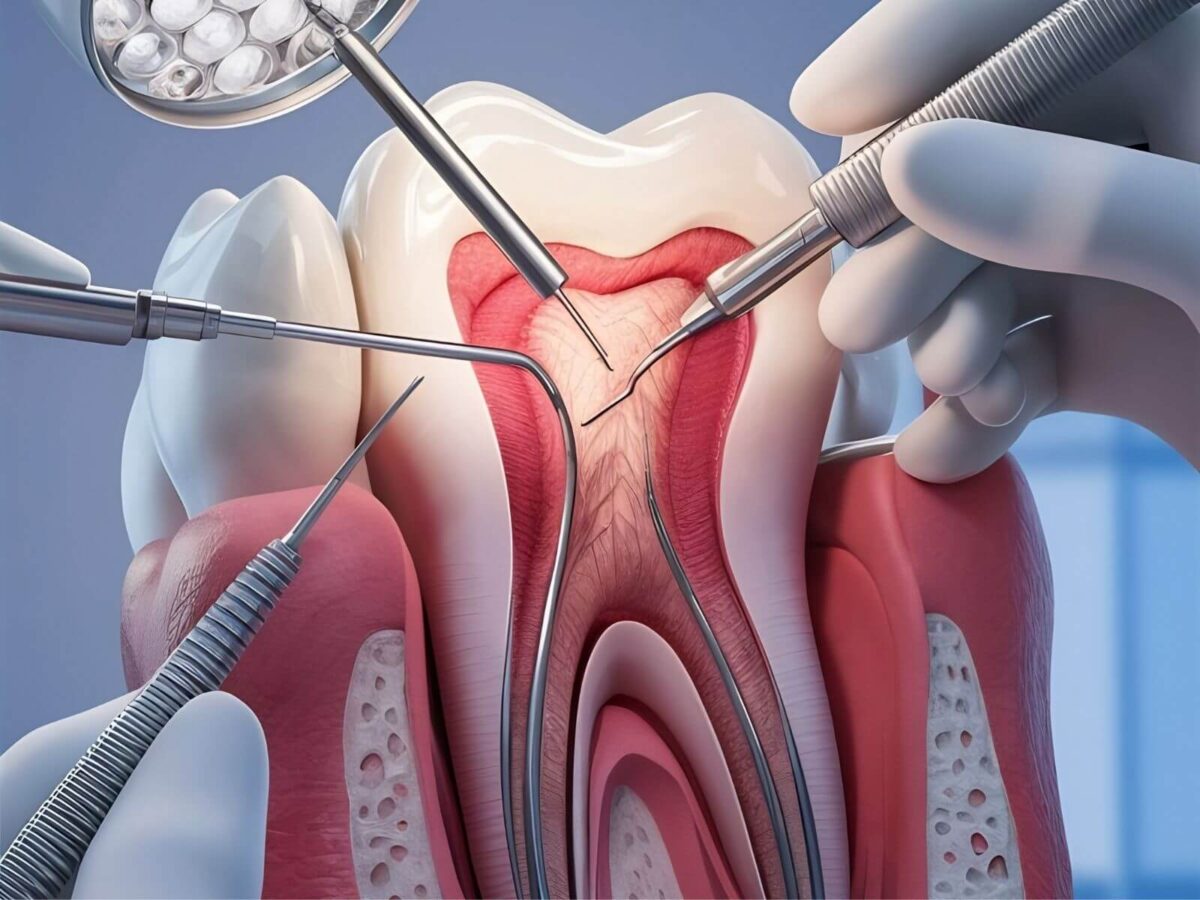
Not every tooth costs the same to treat. Front teeth usually have one root canal inside them. Molars can have three or four canals, sometimes more. That extra complexity changes the treatment time and overall fee pretty fast. The answer to “how much does a root canal cost” often depends first on which tooth needs treatment.
Front teeth generally cost less because access is easier and treatment takes less time. Molars become more expensive because they are harder to reach and contain multiple canals that require cleaning and sealing. That part alone creates huge price differences between patients.
What Does Root Canal Treatment Usually Cost Today
A lot of root canal treatment cost estimates in 2026 fall between $700 to $2,000. That number usually does not include the crown yet. Root canals on front teeth often fall near $700 to $1,200. Premolars usually cost somewhere around $800 to $1,500 instead.
Back molars generally increase the total cost because those teeth contain more canals and are harder to treat. Endodontists also tend to charge more than general dentists in many offices. Larger metro areas push prices higher, too.
Fair Health Consumer data shows that molar root canal procedures often go beyond $1,500 in many U.S. regions.
Why Do Molar Root Canals Cost More
Many people researching “how much does a root canal cost” end up surprised by molar pricing. Back molars are usually the most expensive teeth to treat. They sit deeper in the mouth, access becomes tighter, and the canals inside them are often more difficult to clean properly.
That extra complexity increases treatment time quite a bit. Dentists sometimes need specialized imaging or magnification as well. For smaller infections, molar root canal treatment goes from $1,000 to $1,300. More involved cases commonly land between $1,400 to $1,800. Severe infection or retreatment cases can go well past $2,000.
Patients often assume root canal pricing stays similar for every tooth. Molars usually prove otherwise.
Why Do Front Tooth Root Canals Cost Less
Front teeth stay more affordable overall. Single canals make treatment simpler in most cases, and appointments usually finish faster. Many front teeth also avoid the need for large crowns afterward if enough healthy tooth structure remains.
Nowadays, the average root canal price for front teeth falls around $700 – $1,200. That difference matters financially when patients compare treatment estimates online. Still expensive though. Especially without insurance.
Dental Crowns Add A Significant Extra Cost
This part catches people off guard constantly. The root canal itself is often only part of the total bill. Many treated teeth, especially molars, require crowns afterward because infection and decay weaken the remaining structure. Without a crown, fracture risk increases substantially in back teeth used for chewing. Dental crowns in 2026 commonly cost another $900 to $2,500, depending on the material used.
So when patients ask “how much does a root canal cost”, the realistic total treatment number may become much higher once crown placement enters the conversation. That is where treatment estimates suddenly jump.
What Do Patients Usually Pay Without Insurance
Patients without insurance usually cover the full treatment amount directly or through payment plans. Front tooth root canals in 2026 commonly fall around $700 to $1,200. Premolars often range closer to $900 to $1,500. Treating molars usually costs somewhere from $1,200 – $2,000. More difficult cases can increase the total further.
Once crowns get added afterward, the total root canal treatment cost can sometimes climb close to $2,500 to $4,000 overall.
A lot of patients searching “how much does a root canal cost” become more concerned once the restoration costs enter the conversation, too.
How Much Of A Root Canal Does Insurance Usually Cover
Dental insurance usually helps with root canal treatment because the procedure is considered medically necessary in many plans.
Coverage often falls somewhere around 50% to 80% after deductibles, though yearly maximums still affect the final amount.
With insurance, simpler front tooth treatment may leave patients paying around $300 to $700 themselves. Molar treatment costs $600 to $1,200 with insurance.
The final root canal price still changes quite a bit depending on deductibles, annual limits, and whether the dentist stays in-network. That network difference surprises a lot of patients later.
Endodontists Usually Charge More Than General Dentists
General dentists perform many root canals successfully. Endodontists focus almost entirely on root canal procedures, though, and specialist treatment generally costs more because of advanced training and equipment. Microscopes, digital imaging, retreatment expertise, and difficult anatomy all enter the picture more often with specialists.
Patients searching for “average cost of root canal” numbers online sometimes overlook the difference between general dental offices and endodontic specialty clinics. The pricing gap can be several hundred dollars. Sometimes more.
According to the American Dental Association, endodontic procedures remain among the most common treatments used to preserve natural teeth instead of extraction.
Root Canal Retreatment Costs More
Sometimes an older root canal starts bothering people again years later. The second treatment usually costs more because the dentist has to work through old filling material before cleaning the canals again.
A lot of retreatment cases in 2026 fall around $1,500 – $3,000. Molars often cost even more. That is partly why dentists keep stressing crowns afterward.
Tooth Extraction Sometimes Looks Cheaper Initially
Patients constantly compare extraction costs against root canals. Extraction usually costs less upfront. Simple extractions may fall somewhere between $150 to $500. The problem starts later once tooth replacement becomes necessary.
Replacing a missing tooth becomes expensive fairly quickly once implants or grafting are involved. In 2026, one implant restoration often ranges from $3,000 – $6,000.
That changes the discussion around “how much does a root canal cost” pretty quickly for many patients trying to save the tooth.
FAQs
What kind of price range do root canals fall into now?
Many root canals cost around $700. Some cases reach $2,000. Crowns are separate.
What is the usual price for molar root canals?
Back molars often cost more because treatment becomes more complex there.
Can insurance reduce the treatment cost?
Insurance commonly lowers part of the total expense for many patients.
Why does the price increase for molars?
Molars are harder to access and contain additional canals.
Do root canals automatically come with crowns?
Crowns are usually charged separately after treatment.
Conclusion
There is no single answer for “how much does a root canal cost” because treatment prices change from case to case. Tooth location matters quite a bit. Molars usually cost more because they have additional canals and require more treatment time. Infection severity, specialist fees, and crowns also affect the final number. That is part of why searches for root “canal treatment cost” keep increasing every year.
A tooth that already feels painful or sensitive to pressure can become harder to treat later. Waiting too long usually makes the situation more complicated. An earlier dental exam usually gives a better idea of the tooth condition. It also helps determine what treatment options are still possible.