Blog
Dental hygiene tips for healthy teeth & gums
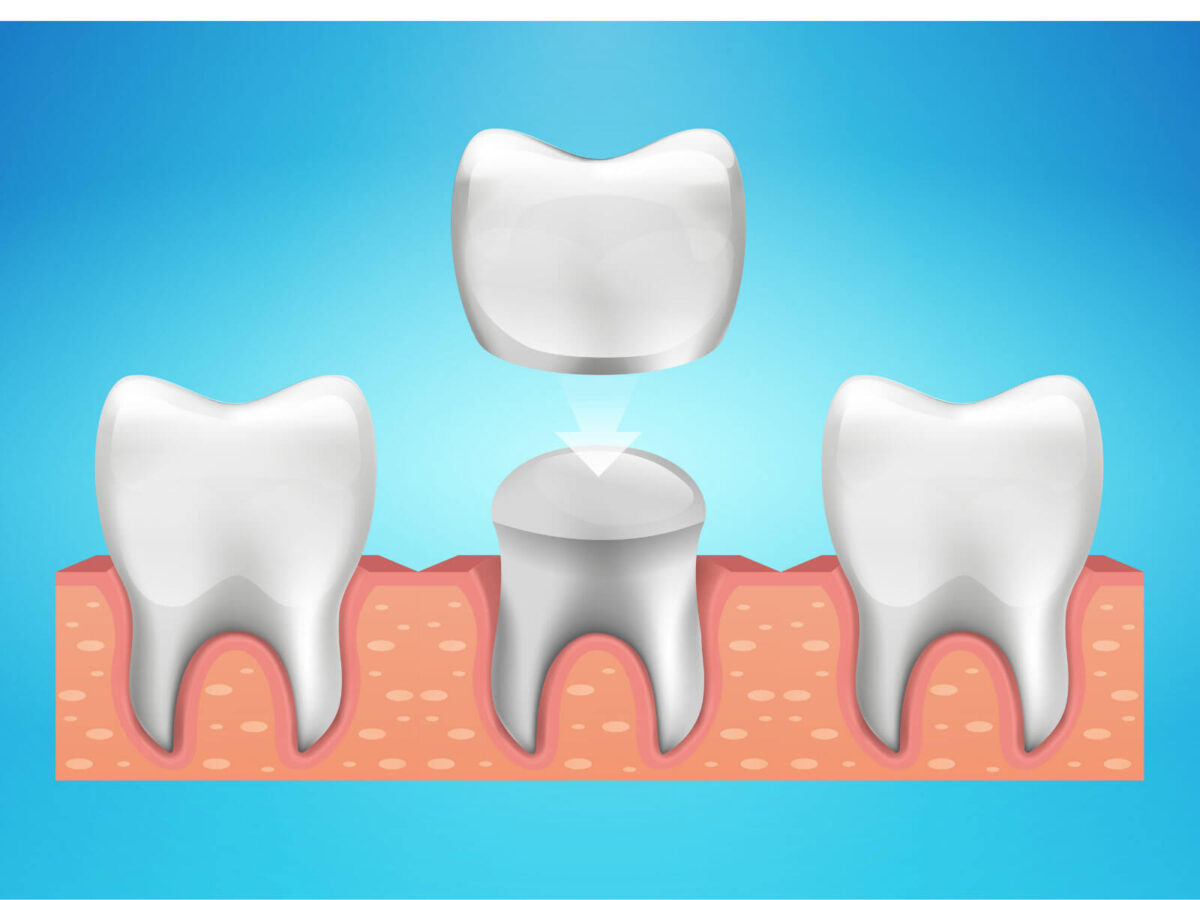
Tooth Crown Procedure: Step-by-Step Guide
Being told you need a crown rarely feels like small news. It feels different from being told you need a cleaning or a small repair, and if it’s new to you, your mind can easily assume more than it should. The word alone sounds heavier than it needs to.
Your mind shifts to logistics pretty quickly, mainly how much of your day this is going to take. Is there pain involved? What exactly does it mean for your tooth? That’s usually when people search for information about a tooth crown procedure, hoping to ease uncertainty. Most end up realizing the experience is much more routine than they expected.
Why a Crown Becomes Necessary
A crown usually comes into the picture when a tooth has undergone something. In some cases, a cavity has already removed enough structure that a simple filling won’t hold up over time. Other times, a small crack is present, and eating pressure can cause it to widen. Crowns are also common after a root canal, when the inside of the tooth has been treated, but the remaining outer portion needs added strength.
As the American Dental Association points out, crowns come into play when a tooth needs full protection to regain stability and function.
It’s not a random decision. The purpose is to support what’s left of the tooth so it can keep functioning. Instead of extraction, the approach is preservation. Seeing it as protection rather than replacement changes how it lands.
What Happens the First Time?
Most people imagine drills and complicated machinery when they hear “crown.” In reality, the first appointment feels more methodical than intense. When everything is numb, the tooth is reshaped slightly. The idea is simply to make room so the crown fits in naturally instead of sticking out.
If there isn’t enough solid tooth left, some rebuilding may happen before the crown goes on. That step gives the crown something solid to sit on. Once the tooth is shaped, impressions are taken. Some offices still use impression trays that you bite into for a short time. Others use digital scanners that map your tooth on a screen in seconds.
That model becomes the guide for creating your permanent crown. Before you leave, a temporary crown is placed. It protects the prepared tooth while the final crown is being crafted in a dental lab. That’s essentially the first half of the process of a crown. A lot of patients build this moment up in their heads, only to find it goes more calmly than expected.
Why Is There a Temporary Crown First?
Once the reshaping is done during the tooth crown procedure, a temporary crown is placed to protect the tooth. It works well enough for daily life, even if you know it’s only there for a short time. You’ll likely be told to avoid very sticky foods, not because the tooth can’t handle pressure, but because the temporary is designed to be removed without much effort.
For the first few days, it may feel slightly unfamiliar. The shape is new, and your tongue notices that. Cold drinks can feel sharper at first. That tends to calm down as everything adjusts.
Before long, it stops feeling like something new. You settle back into normal eating, and it fades from your attention. In the background, the permanent crown is being prepared so it fits and feels right.
Returning for the Final Placement
By the time you return, things usually feel more relaxed since you’ve already been through the first appointment. The temporary crown is carefully taken off. Your dentist places the permanent crown on the tooth without cement first, checking the fit carefully. They’ll ask you to bite down. They’ll check how it touches neighboring teeth. Small adjustments may be made so that it feels natural when you close your mouth.
This part requires patience. A crown that doesn’t line up properly can feel awkward when you bite down, so dentists take their time during this stage of the crown procedure. When everything feels natural, the crown is bonded permanently. You bite down again while the cement sets. Any excess material is cleaned away. And just like that, the tooth is restored. There isn’t usually a dramatic “done” moment. It’s more subtle. You simply realise the tooth feels solid again.
What It Feels Like Afterwards
After the final appointment, things may feel slightly unfamiliar for a few days. Not painful, just different. Your tongue will notice the shape automatically. You might be extra aware of it when chewing. That awareness fades as your bite adjusts.
If something feels off after a week, a minor adjustment can easily correct it. The goal of the tooth crown procedure is comfort as much as strength. You shouldn’t have to “get used to” discomfort.
How Long Does the Whole Process Takes
Traditionally, the entire process of a crown involves two visits spaced about two to three weeks apart. However, some offices now offer same-day crowns using in-house milling systems. In those cases, scanning and placement happen within a single appointment.
Both methods are effective. The timeline depends on the technology available and your dentist’s workflow. The American College of Prosthodontists notes that well-maintained crowns can last well over a decade. So while the appointments may span a few weeks, the result is designed to last years.
Caring for the Crown Afterwards
After the crown is placed, nothing dramatic changes in your routine. Your routine stays mostly the same. You clean your teeth every day and go in for cleanings as usual. A crown won’t get decay, though the tooth underneath can, particularly around the small edge where the two join, and plaque tends to collect.
At first, you might be aware of it when you chew, mostly because it’s new. That awareness usually fades. As long as you’re not biting on ice or putting constant pressure on it, it simply does its job. Before long, you stop thinking about it entirely.
FAQs
Is it uncomfortable?
You’re numbed before anything starts, so it’s generally manageable. Some tenderness afterwards isn’t unusual, but it doesn’t usually stick around.
How long am I in the chair?
The first visit takes about an hour. If it’s not made the same day, there’s a second, shorter appointment to seat the final crown.
What’s the overall flow?
First, the tooth is adjusted to the needed shape. Impressions are taken to capture the exact details. A temporary crown is placed to protect it. The permanent one is secured at a later visit.
How many years does it last?
With good care, many crowns hold up for well over ten years.
Conclusion
For many people, the term tooth crown procedure immediately sounds serious. At first, the phrase can make it seem like a big, complicated event. But when you understand what a crown procedure really includes, the picture shifts. It doesn’t usually mean starting over with a completely new tooth. The aim is to protect the remaining structure so it can keep handling normal chewing without worsening.
The process of a crown follows a careful plan meant to preserve structure and restore stability. The goal is simply to reinforce the existing tooth. For many people, the concern starts with not fully understanding what will happen. Once those details are clear, the treatment feels far more straightforward than expected. If questions are holding you back, book an appointment and talk through your concerns. Understanding the process usually eases more fear than avoidance ever will.