Blog
Dental hygiene tips for healthy teeth & gums
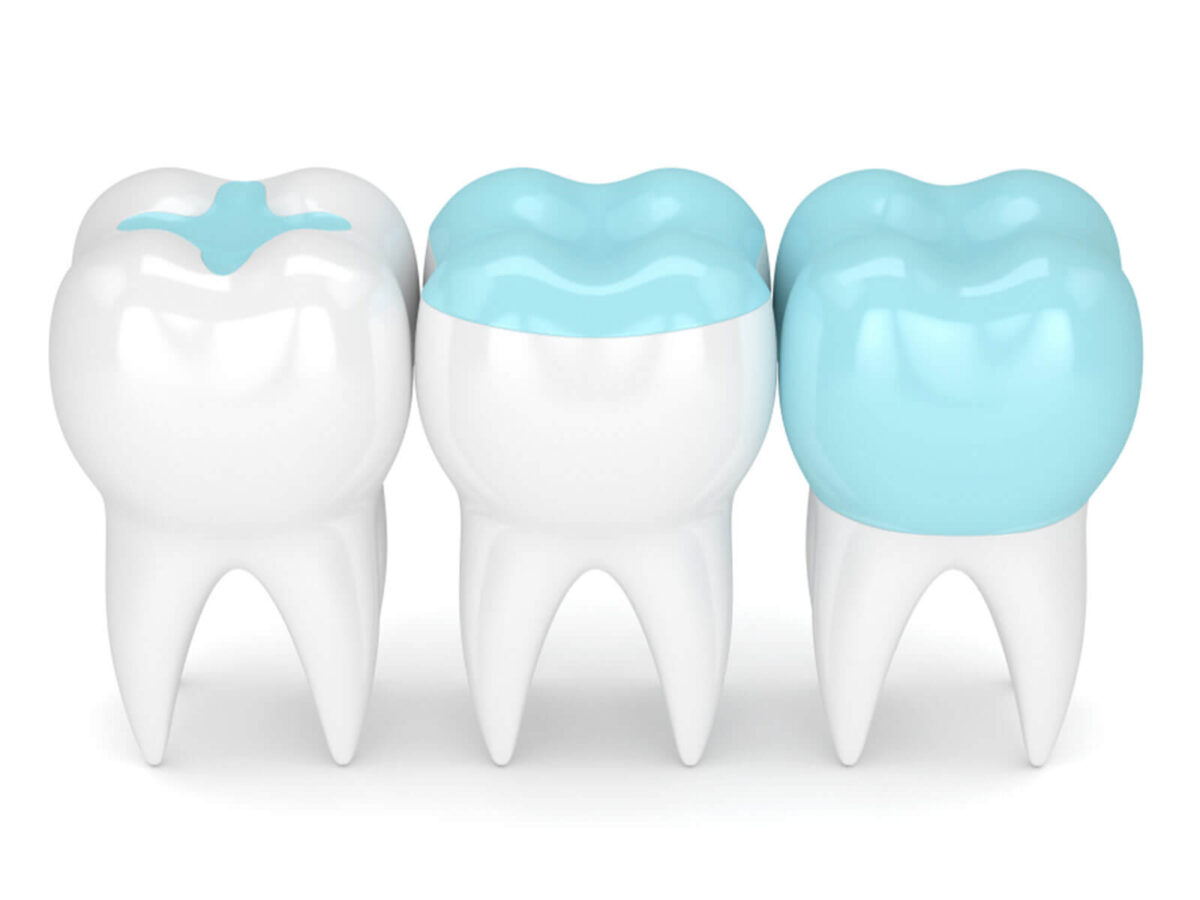
Dental Inlay vs. Filling – Which One Is Right for You?
This usually comes up after a tooth has already been examined and something needs to be addressed. Sometimes it doesn’t feel obvious at first, especially if the dentist is pointing it out. That’s when new words pop up, and the choice starts feeling uncertain.
Most people already understand fillings, so that part feels familiar. Inlays sound more involved, which is why dental inlay vs filling can feel unclear in the beginning. They can solve identical problems, but they’re not always the same solution.
Why Fillings And Inlays Get Compared
From the outside, fillings and inlays can look like they do the same job. They’re used when a tooth has been damaged and needs support. They both help control decay and get chewing back to normal. And both are done in the dental chair, often in situations that already feel routine. Because of that, it’s easy to assume the difference between them isn’t very important.
Where things start to separate is in the condition of the tooth itself.
How much damage is actually there matters. So does how much healthy structure is still holding up. Those details don’t always show at a glance, but they change the direction of treatment. That’s where the inlay vs filling conversation really begins, not with the names, but with what the tooth can still support.
What A Filling Is Designed To Do
When people compare filling vs inlay, it usually helps to start with fillings, since most people have had one before. A filling is used when decay affects a small area of the tooth, and there’s still enough healthy structure around it. The damaged portion is cleaned out, and material is placed to fill the space and support normal function.
Fillings usually work better when the cavity hasn’t spread too far and there’s still solid tooth around it. The material fills in what was removed, but it depends on the tooth that’s left to hold everything in place. When more damage is present, that setup doesn’t always hold the same way.
Why Fillings Sometimes Stop Being Enough
As cavities expand, more of the tooth is removed. As a result, the remaining structure can become thinner. Large fillings may hold in place, but the surrounding tooth walls can flex under pressure and eventually crack. In some cases, the filling itself isn’t the problem at all. This is often when dentists begin discussing tooth inlay vs filling, even if the filling has lasted for years.
What A Dental Inlay Actually Is
An inlay is made outside the mouth and placed into the tooth once everything is ready. Because it’s crafted ahead of time, it’s designed to fit the prepared space more closely than something shaped during the appointment. That’s one of the reasons dental inlay vs filling can feel confusing at first.
An inlay covers more area than a filling, but it doesn’t wrap over the entire tooth like a crown. It stays within the chewing surface and avoids the cusps, which are the raised areas that take the most pressure. Because of where it sits, the inlay helps support the tooth in a way that large fillings often can’t.
Why Inlays Preserve Tooth Structure
Inlays tend to handle pressure differently once they’re placed. Since they’re custom fit, chewing force is spread across a wider area of the tooth instead of being focused in one spot. That can reduce strain on the remaining tooth walls, particularly when they’re already thin. Instead of placing material into a weakened area, the inlay supports the structure that’s still intact. This is one of the reasons inlays vs fillings come up in specific cases.
When A Filling Still Makes More Sense
Not every cavity needs an inlay. Smaller areas of decay are often handled well with a filling, particularly when the tooth itself is still strong and stable. In those situations, using an inlay can sometimes mean removing more healthy structure than is really necessary. This is where inlay vs filling starts to depend less on how the option sounds and more on what the tooth can reasonably support.
Durability Differences Over Time
Fillings can last for many years when they’re small and placed well, though larger ones tend to wear down sooner and leak at the edges. Inlays often hold up better in cases with moderate damage because they’re more stable, which is why dental inlay vs filling sometimes comes up later on.
How Chewing Pressure Changes The Decision
Back teeth handle heavy chewing forces. Fillings in these areas experience constant stress. Inlays are often chosen for back teeth because they handle pressure better without requiring full crown coverage. This makes them a middle ground option in the tooth inlay vs filling discussion. Front teeth, which handle less force, are more forgiving and often do well with fillings alone.
The Process Feels Different For Each Option
Fillings are usually completed in one visit. Inlays often take two visits, though some offices use same-day technology. The extra time exists because precision matters. Inlays need to fit exactly. That precision supports strength and longevity. This difference in process is another factor people consider when comparing inlays vs fillings.
Cost Is Often Part Of The Conversation
Fillings often end up costing less at the beginning, which is usually what people notice first when options are mentioned. Inlays tend to be more expensive, mostly because of how they’re made and the materials involved. That difference can stand out early on, before anything else has really been discussed.
The longer view can feel different. Larger fillings may need to be replaced over the years, and those replacements can add up gradually. When that happens, the filling vs inlay decision sometimes changes, even if the inlay wasn’t the cheaper option initially.
Why Inlays Aren’t Crowns
An inlay isn’t simply a smaller crown, even though they’re sometimes grouped together. Crowns cover the entire tooth, while inlays stay within the chewing surface. They don’t extend over the tooth the way crowns do.
This allows inlays to preserve more natural tooth structure while still offering more support than fillings in certain cases. That overlap is where the dental inlay vs filling comparison tends to start.
Why Timing Changes Everything
A cavity caught early is usually managed with a filling. This works when the surrounding tooth remains strong. At that stage, the repair can remain fairly conservative. An untreated cavity often keeps spreading outward. As the structure slowly disappears, the tooth may later need added support to function normally over time. That’s when recommendations begin shifting toward an inlay or possibly even a crown. The timing of care still shapes which options remain available.
Final Thoughts
So, dental inlay vs filling usually isn’t about choosing the more advanced or impressive option on paper. It’s more about what the tooth can realistically support at that moment and how much damage is actually present. Fillings tend to work well when the problem is small, and the surrounding structure is still doing its job.
An inlay is usually considered when a tooth needs added reinforcement without covering the entire surface. That tends to happen when damage has progressed but hasn’t reached the point where a crown makes sense. Teeth vary a lot in how they break down over time, and treatment reflects that variation.
It isn’t always clear why one option is mentioned instead of the other. In many cases, inlays vs fillings only start to make sense once they’re considered alongside the condition of the tooth involved. The explanation depends more on the tooth than on the treatment name.